
Blog
Choosing the Right Condom: A Comprehensive Guide for Safety and Satisfaction


Choosing the Right Condom: In the realm of sexual health, the importance of condoms cannot be overstated. Condoms are not just a means of preventing unwanted pregnancies but also a crucial barrier against sexually transmitted infections (STIs). However, picking the right one can be daunting with the plethora of options available in the market. This guide aims to simplify that process, ensuring both safety and satisfaction in your intimate experiences.
Choosing the Right Condom: Understanding Different Materials
Latex
Latex is the most common material used in condom production, prized for its remarkable strength and elasticity. This flexibility allows it to adapt to various shapes and sizes, ensuring a secure fit during use. Latex condoms are an effective barrier against both STIs and pregnancy, making them a go-to choice for many. However, it’s important to note that a significant minority of people have latex allergies. For these individuals, exposure to latex can lead to reactions ranging from mild irritation to severe allergic responses. If you or your partner are allergic to latex, it’s crucial to consider alternative materials.
Polyurethane
Polyurethane condoms are an excellent alternative for those with latex allergies. They are made from a type of plastic that is thinner than latex, which can lead to heightened sensitivity and a more natural feel during intercourse. Another advantage of polyurethane is its ability to conduct heat better than latex, potentially enhancing sensation for both partners. Additionally, polyurethane is less elastic than latex, which can reduce the risk of the condom slipping off during intercourse. However, it’s worth noting that they are often more expensive than latex condoms and can be more prone to breaking if not used properly.
Polyisoprene
Polyisoprene is a synthetic version of natural rubber latex, sharing many desirable properties, such as elasticity and durability. The critical difference is that polyisoprene is hypoallergenic, making it a safe option for individuals with latex allergies. Polyisoprene condoms offer a similar level of protection against STIs and pregnancy as latex condoms. They are often praised for providing a more skin-like feel compared to latex, enhancing the sensory experience during sex. However, like polyurethane, they can be more expensive than standard latex condoms.
Lambskin
Lambskin condoms, also known as natural membrane condoms, are made from the intestinal membrane of a lamb. They are one of the oldest types of condoms available. Their primary appeal lies in their natural composition, which can offer a more skin-like sensation than synthetic alternatives. However, it’s crucial to understand that while lambskin condoms are effective at preventing pregnancy, they have pores that can allow viruses, including HIV, to pass through. This means they do not offer protection against STIs. Due to this significant limitation, lambskin condoms are generally recommended only for monogamous couples seeking pregnancy prevention.
Each of these materials offers distinct advantages and limitations. When choosing a condom, it’s essential to consider personal allergies, the level of protection desired, and personal preferences in terms of feel and sensitivity. Remember, the right choice varies from individual to individual, and what matters most is finding a condom that you and your partner feel comfortable and safe using.














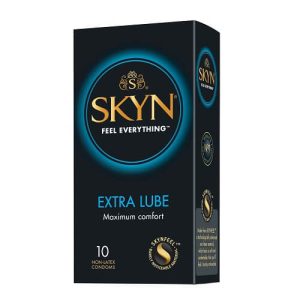





Choosing the Right Condom: Size Matters
The notion that one size fits all when it comes to condoms is a widespread misconception that can lead to less effective protection and diminished pleasure. A condom that fits properly is crucial not only for comfort but also for ensuring the condom’s effectiveness in preventing pregnancy and STIs. A condom that’s too tight can be uncomfortable, may reduce sensation, and has a higher risk of breaking. Conversely, a condom that’s too loose can slip off during intercourse, compromising its protective purpose. Understanding the different sizes available and how to choose the right one is fundamental.
Snug Fit
Snug-fit condoms are designed for those who find standard-sized condoms to be too loose. They offer a tighter fit, ensuring that the condom stays in place throughout sexual activity. This snugness helps in maintaining a high level of protection and also enhances sensation for some, as the condom moves less during intercourse. Men who are smaller in circumference or prefer a closer fit often opt for this size.
Regular Fit
Regular-fit condoms are the standard size that caters to the majority of men. They are designed to provide a balance between comfort and security, ensuring that the condom stays in place without constriction. This versatile size is generally a safe bet if you’re unsure what size to choose. However, it’s important to remember that ‘regular’ can vary slightly between brands, so it’s worth trying out a few to find the best fit.
Large Fit
Large-fit condoms are for those who need more room than what’s offered by regular-sized condoms. They are wider and sometimes longer, providing a comfortable fit for men who find regular condoms too tight or constricting. An appropriate fit in larger condoms is equally important to avoid slipping off during intercourse. Men with larger girths typically find this size more comfortable and secure.
Measuring for the Right Size
To find the perfect condom size, it’s recommended to measure the penis when it’s erect. Focus on the girth (circumference) rather than the length, as this is the most critical factor for fit. Once you have your measurements, compare them to the nominal width on the condom packaging. The nominal width is the diameter of the condom when laid flat and is a good indicator of its fit.
Tip:
- Use a measuring tape to measure the circumference of the erect penis.
- If you don’t have a measuring tape, a string can be used and measured against a ruler.
- Compare this measurement to the nominal width indicated on the condom package.
- Remember that condoms are highly elastic and can accommodate various sizes, but finding a close match will enhance comfort and effectiveness.
Remember, taking the time to find the right condom size can significantly improve your sexual experience. Not only does it ensure maximum protection, but it also enhances comfort and pleasure for both you and your partner.
Choosing the Right Condom: Thickness and Texture
Thickness
The thickness of a condom can significantly influence both the sensation during intercourse and the level of protection it offers. Choosing the right thickness is essential based on your needs and preferences.
Thin
Thin condoms are designed to enhance sensitivity, providing a feeling that’s closer to not wearing a condom at all. They are typically made using advanced technology that allows them to be just as strong as standard condoms despite their thinner structure. This type of condom is ideal for those who find that regular condoms diminish sensation too much. It’s worth noting that while they are manufactured to high safety standards, their thinner nature might lead some users to be more cautious about breakage, particularly during more vigorous activities.
Standard
Standard-thickness condoms are the go-to choice for many and provide a balanced option between sensitivity and protection. They are designed to be strong and reliable, suitable for various activities, and provide good sensitivity. These condoms are the benchmark in the industry and are widely available in various shapes, sizes, and textures. They are suitable for most people and are a good starting point for those unsure which thickness to choose.
Extra Thick
Extra thick condoms are designed for added protection and durability. They are often recommended for anal sex, where the risk of condom breakage can be higher due to increased friction and pressure. The extra thickness provides a stronger barrier, reducing the chance of tears and leaks. While they may reduce sensitivity slightly compared to thinner options, they offer greater peace of mind for those concerned about the robustness of their protection. Additionally, they can be a preferred option for those who require a condom that withstands more vigorous or extended sessions.
Texture
Beyond thickness, the texture of a condom can also play a significant role in the sexual experience. Textured condoms, such as those with ribs or studs, are designed to increase stimulation for one or both partners. They can add a unique sensation, potentially enhancing pleasure. Smooth condoms, on the other hand, provide a more traditional experience and may be preferred by those who find textured condoms to be distracting or uncomfortable.
The choice of condom thickness and texture is a personal one, and what works best can vary greatly from person to person. Experimenting with different types is advisable to find what feels best for you and your partner. Remember, the most important aspect of choosing a condom is that it feels comfortable and suits your specific needs, ensuring both safety and pleasure in your sexual experiences.
Choosing the Right Condom: Lubrication is Key
- Water-Based Lubricants: Safe for all condoms, easy to clean.
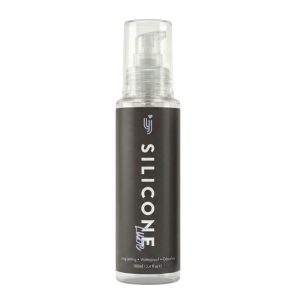
- Silicone-Based Lubricants: Longer lasting, but check compatibility with the condom material.
- Oil-Based Lubricants: They should be avoided with latex condoms as they can cause breakage.




















Choosing the Right Condom: Special Features
- Spermicide: Offers additional pregnancy prevention but may irritate some.
- Glow in the Dark: For a playful experience.
- Climax Control: Contains a mild anesthetic to delay ejaculation.
Storage and Usage
Store condoms in a cool, dry place away from direct sunlight. Check the expiration date and open the package carefully to avoid tearing the condom. Follow instructions for application to ensure effectiveness.
Communication and Consent
The Importance of Dialogue
Discussing condom use with your partner is not just a practical matter but a crucial aspect of building a respectful and healthy sexual relationship. Open communication about protection addresses safety concerns and establishes mutual trust and understanding. It’s important for both parties to feel comfortable and to consent to the method of protection being used.
Starting the Conversation
Initiating a conversation about condom use can feel awkward or uncomfortable for some. However, it’s a necessary discussion that can be approached thoughtfully. Choose a relaxed and private setting where you and your partner feel at ease. Be direct but sensitive, expressing your thoughts and concerns clearly. For example, you might say, “I think it’s important for us to talk about protection to ensure we’re both comfortable and safe.”
Understanding and Respecting Boundaries
Every individual has their own set of boundaries and comfort levels. It’s essential to respect these and to understand that consent for one encounter does not automatically imply consent for future activities. Consent is an ongoing process and should be reaffirmed each time.
If your partner is hesitant or unsure about using condoms, discuss their concerns. They might have misconceptions about comfort, sensation, or even how to use condoms properly. Address these concerns together and consider exploring different types of condoms that might alleviate their apprehensions.
Educating Each Other
Misinformation about condoms and sexual health can often lead to unnecessary fears or reluctance. Use this opportunity to educate each other. Share what you know about different types of condoms, their proper usage, and their benefits. Sometimes, knowing the facts can make a significant difference in how someone views condom use.
Making It Part of the Experience
Condom use doesn’t have to be a hindrance to intimacy. It can be integrated into your sexual experience in a way that enhances it. For instance, putting on a condom can be included in foreplay. Communicate with your partner about what feels good, turning the act of putting on a condom into an intimate part of your encounter.
Ensuring Mutual Agreement
Both partners must agree on the use of condoms without any coercion or pressure. Suppose one partner is adamant about not using condoms. In that case, it’s important to consider whether this aligns with your values and concerns for safety. Remember, both parties should feel comfortable and secure with the decisions made regarding protection.
Effective communication and consent are foundational to a healthy sexual relationship. Discussing condom use openly and respectfully ensures that both partners feel safe and valued. This conversation is a key part of responsible and enjoyable sexual experiences, fostering an environment of trust and mutual respect.
Choosing the Right Condom: Conclusion
Choosing the right condom enhances both the safety and enjoyment of your sexual experiences. By considering factors like material, size, thickness, texture, lubrication, and special features, you can find a condom that suits your needs and preferences. Remember, sexual health is a crucial aspect of your overall well-being, so make informed choices and enjoy your intimate moments with confidence and care.
Remember, this guide is for general informational purposes and should not replace professional medical advice. Always consult with a healthcare provider for personalized recommendations.